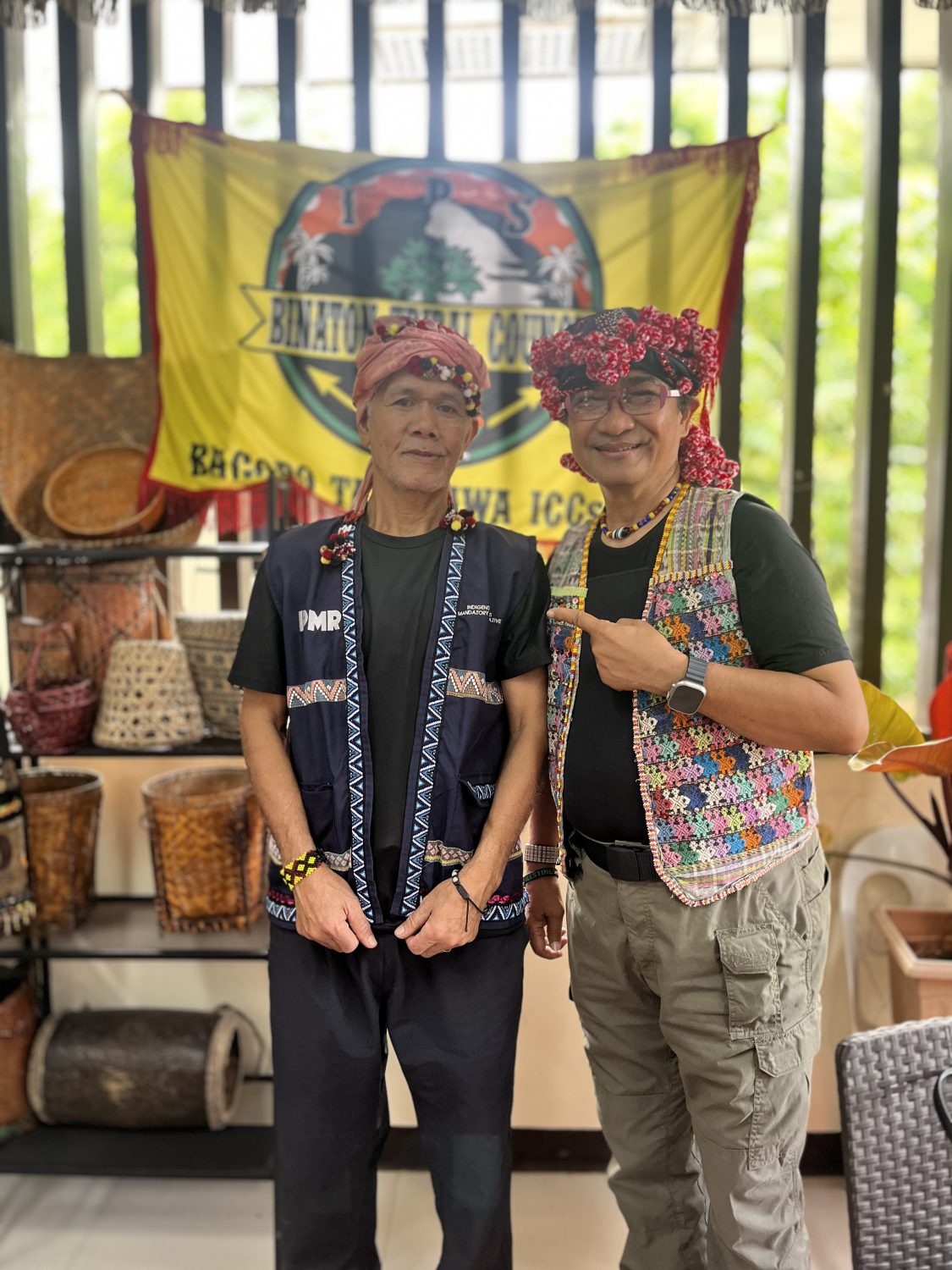
The debate over House Bill 621 is more than a legislative discussion about government reorganization. It is a test of our nation’s commitment to justice for Indigenous Peoples. Nearly three decades after the passage of Republic Act No. 8371, or the Indigenous Peoples’ Rights Act (IPRA), many Indigenous leaders, advocates, and communities are once again compelled to defend rights that were won through decades of struggle. While proponents of HB 621 present the measure as an effort to streamline ancestral land administration, many Indigenous Peoples fear that it could weaken the very protections that IPRA was designed to guarantee. I share these concerns. As someone who believes that genuine peace is inseparable from justice, I am convinced that any reform affecting ancestral domains must strengthen—not diminish—the rights of Indigenous Peoples to self-determination, cultural integrity, and stewardship of their ancestral lands. The voices of Indigenous communities must remain at the center of this national conversation.
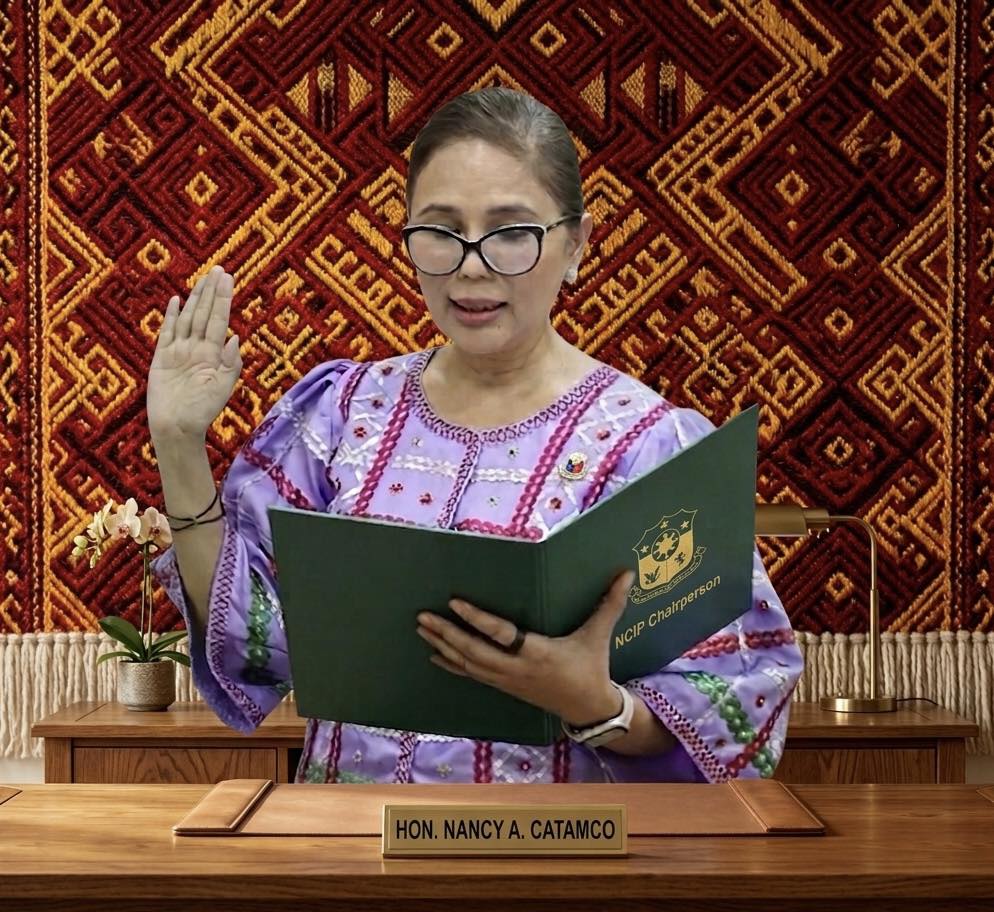
For nearly three decades, the Indigenous Peoples’ Rights Act (IPRA) or Republic Act No. 8371 has stood as one of the most significant human-rights laws in the Philippines. It was enacted not merely to recognize Indigenous Peoples (IPs), but to correct centuries of historical injustice, dispossession, marginalization, and cultural erasure suffered by Indigenous Cultural Communities and Indigenous Peoples (ICCs/IPs). (Supreme Court E-Library)
Today, however, many Indigenous leaders, advocates, and organizations are expressing concern over House Bill 621, a measure that seeks to amend portions of IPRA by transferring key functions involving ancestral land administration and adjudication from the National Commission on Indigenous Peoples (NCIP) to the Department of Environment and Natural Resources (DENR) and related institutions. (Congress Documentation)
I share these concerns.
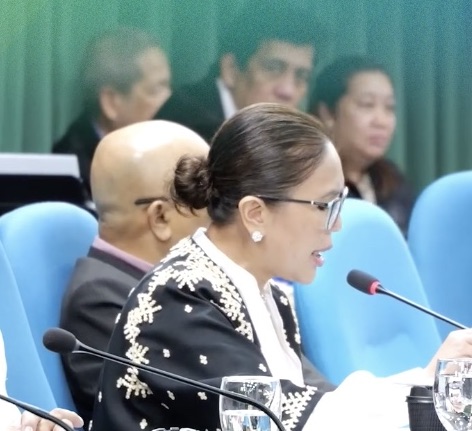
On 18 March 2026, during a hearing of the House Committee on Government Reorganization, NCIP Chairperson Nancy Catamco and other NCIP officials formally opposed House Bill 621. Their position deserves serious attention because the issue is not merely administrative efficiency. The issue is Indigenous self-determination, ancestral domain governance, and the protection of rights that Indigenous communities fought for over generations to secure. (NCIP)
What Makes RA 8371 Historically Important?
IPRA is far more than a land law. It recognizes the collective rights of Indigenous Peoples over their ancestral domains, cultural integrity, self-governance, and social justice. It established the NCIP as the primary government agency mandated to protect and promote Indigenous rights. (Supreme Court E-Library)
The law emerged from decades of Indigenous advocacy. It represented a shift away from colonial and assimilationist approaches toward recognition of Indigenous communities as rights-holders rather than merely beneficiaries of government programs.
Although IPRA is imperfect and implementation remains uneven, its foundational principle remains clear: Indigenous Peoples should exercise meaningful control over their ancestral domains and their own futures. (IWGIA)
Why HB 621 Raises Alarm
Supporters of House Bill 621 argue that the measure seeks to rationalize and streamline ancestral land administration. However, many Indigenous leaders and advocates see a deeper problem. They fear that transferring authority over ancestral lands and domains away from the NCIP could weaken Indigenous participation in decision-making and place ancestral territories under institutions whose primary mandates are not centered on Indigenous rights. (Congress Documentation)
The concern is not hypothetical.
Across the Philippines, ancestral domains continue to face pressures from mining, large-scale agriculture, infrastructure projects, energy developments, and land speculation. Indigenous communities therefore need stronger—not weaker—institutions dedicated to protecting their rights. (IWGIA)
From my perspective, the question is simple:
If IPRA was created because Indigenous Peoples historically lacked control over decisions affecting their lands, why should reforms move authority farther away from Indigenous-centered governance?
Administrative efficiency should never come at the expense of Indigenous self-determination.
Why I Agree with Nancy Catamco
I agree with Chairperson Nancy Catamco’s opposition to HB 621 because the proposal appears to prioritize bureaucratic restructuring over the original spirit of IPRA. The challenge facing Indigenous communities is not the existence of Indigenous rights institutions. The challenge is ensuring those institutions become more effective, accountable, transparent, and adequately funded. (NCIP)
The solution is not to dilute Indigenous representation.
The solution is to strengthen mechanisms for ancestral domain recognition, accelerate the issuance of Certificates of Ancestral Domain Title (CADTs), improve Free, Prior, and Informed Consent (FPIC) processes, and ensure genuine Indigenous participation in decisions affecting their territories. (NCIP)
If reform is necessary, it should deepen Indigenous control over Indigenous affairs—not transfer authority elsewhere.
The Larger Issue: Historical Justice
At its heart, this debate is about historical justice.
Indigenous Peoples occupied, nurtured, and protected their territories long before the emergence of the modern Philippine state. Their relationship to land is not merely economic. It is spiritual, cultural, historical, and communal.
When ancestral domains are discussed only in terms of administration, registration, or bureaucracy, we risk forgetting that these lands are living homelands tied to identity, memory, and survival.
The Philippines should be moving toward stronger recognition of Indigenous stewardship, consistent with international norms and the global movement toward Indigenous rights and self-determination. Rather than weakening IPRA’s institutional foundations, government should strengthen them. (HOKI188)
I support reforms that genuinely benefit Indigenous Peoples.
I support transparency, accountability, and efficiency.
But I do not support reforms that could reduce Indigenous influence over the governance of ancestral domains.
For this reason, I stand with many Indigenous leaders, advocates, and communities who urge Congress to carefully reconsider House Bill 621. Any amendment to IPRA must strengthen—not weaken—the rights that Indigenous Peoples fought so hard to achieve.
The future of ancestral domains should be determined not primarily by bureaucratic convenience, but by the voices, wisdom, and aspirations of the Indigenous Peoples themselves.
That, to me, is the true spirit of Republic Act 8371.